
What is HECS and how is it paid?
HECS-HELP is an Australia Government loan scheme for eligible students to defer tutor/study/university fees.
It’s not a traditional loan that charges interest, rather the debt is indexed (increased) annually on June 1st based on the Consumer Price Index or “Inflation”.
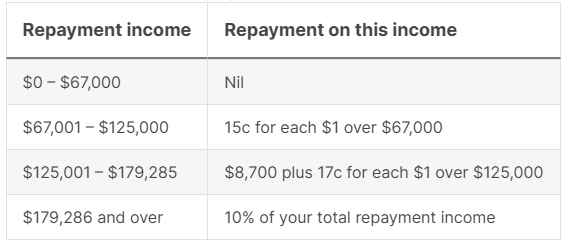
The debt is repaid usually via your income – where once you earn over $67,000, a portion of your income goes towards your loan.
The other method is by voluntary payment contributions which can be done via the myGov ATO website.
How do I view the balance of my HECS debt?
This is done through the ATO portal on myGov. Do note that this figure is only updated once every financial year.
If you do voluntarily pay off your debt and your employer has sent money to the ATO to pay off a portion of your debt, any excess will be returned to you.
Why you should NOT pay off your HECS debt?
Paying off your HECs is a bad idea because:
▶️HECs increases with inflation only (2-3%) and doesn’t charge you traditional interest
▶️You lose liquidity – once you pay off your HECs, you lose access to that money
▶️If your income drops – your HECs repayment obligation reduces or disappears
▶️HECs doesn’t affect your credit score like other traditional debt does
Why you SHOULD pay off your HECS debt?
1️⃣You need the extra borrowing capacity: HECs reduces your take home pay and therefore drops your borrowing capacity. If you need need the extra $50,000 borrowing capacity to buy the home you want – paying off your HECs may be one way to reach that
2️⃣Debt worries you: if paying off HECs gives you peace of mind – although not the best financial outcome, it’s hard to put a price on emotions and the feeling of being debt free
What are some better places instead of paying off HECs debt to park this money? (3% indexation)
✅Offset account – saves you 5-6% in interest repayments
✅House deposit fund – if you pay off your HECs you can no longer access that – causing you to take longer to save for a house deposit
✅Invest – investing in ETFs has traditionally returned 8%+ over the long term
✅High Interest savings account- 4-5% return + liquidity to use the money where you see fit